

Cultural differences shaping casino experiences around the world
Understanding Cultural Attitudes Towards Gambling
Cultural attitudes towards gambling vary significantly across the globe, influencing how casinos operate and how patrons engage with them. In some cultures, gambling is viewed as a form of entertainment and social interaction, fostering community and bonding among friends and family. For instance, in parts of Europe and the United States, casinos are often integrated into the social fabric, where individuals gather not just to gamble but to dine, drink, and enjoy live performances, turning gaming into a comprehensive entertainment experience. Many prefer betting sites that accept paypal for their convenience and accessibility, adding to the wide array of options available.

Conversely, in regions like Asia, gambling may carry heavy cultural or religious connotations, often viewed with skepticism or outright disapproval. In countries such as Japan, traditional values may discourage gambling, leading to strict regulations that limit the types of gaming available. However, areas like Macau have emerged as significant gambling hubs by combining traditional practices with modern casino experiences, showcasing a complex relationship between culture and gambling that is evolving over time.
This divergence in attitudes shapes everything from casino design to marketing strategies. For instance, in Western countries, casinos often prioritize a lively atmosphere with open spaces, vibrant decor, and entertainment options, while in Asian markets, casinos may feature luxurious settings with private gaming areas and exclusive high-roller rooms to attract affluent players seeking privacy and exclusivity. Understanding these cultural nuances is essential for operators looking to tailor their offerings effectively.
The Role of Regulations and Legal Frameworks
Regulations surrounding gambling are deeply rooted in cultural beliefs and practices, varying dramatically between regions and impacting the overall casino experience. In jurisdictions where gambling is legalized and regulated, such as Nevada in the United States, casinos thrive with an array of gaming options and vibrant nightlife. Here, the legal framework supports the growth of the gambling industry, enabling casinos to innovate and offer diverse experiences to attract tourists and locals alike.
In contrast, regions where gambling is heavily restricted, such as many Middle Eastern countries, may only allow specific forms of gambling, like lotteries or sports betting. This limitation can stifle the growth of a full-scale casino culture, leading to a more subdued gambling experience. Operators in these areas often adapt by creating unique offerings that align with local laws and cultural sensibilities, such as private gaming clubs that cater to exclusive clientele.
Additionally, changing regulations can lead to shifts in market dynamics, prompting casinos to evolve. For example, the legalization of online gambling in many jurisdictions has transformed the landscape, allowing players to engage in casino experiences from the comfort of their homes. This shift has compelled traditional casinos to adapt by enhancing their online offerings, creating a more integrated gambling experience that bridges the gap between physical and virtual environments.
Casino Design and Atmosphere Influenced by Culture
The design and atmosphere of casinos are often reflective of the cultural values and preferences of their target demographics. In Las Vegas, for example, casinos are characterized by extravagant designs, bold colors, and a sensory overload of sights and sounds meant to create an exhilarating environment. This approach resonates with Western ideals of excess and enjoyment, where the casino is not merely a gaming venue but a destination for a complete entertainment experience.
On the other hand, casinos in countries like Singapore focus on creating a serene and sophisticated environment, often integrating elements of local culture and architecture. The Marina Bay Sands, for instance, is not just a casino but a landmark that showcases Singaporean identity while offering world-class gaming facilities. Such designs aim to attract high-rollers and tourists seeking an upscale experience that blends luxury with cultural appreciation.
Moreover, the atmosphere within these establishments plays a crucial role in shaping player behavior. In cultures where gambling is associated with social interaction, casinos may encourage communal areas for socializing, while in places where discretion is valued, designs might include more secluded gaming areas. This cultural sensitivity to design and atmosphere enhances the overall experience for patrons, aligning their gambling activities with their social norms and expectations.
Influence of Technology on Global Casino Culture
As technology continues to advance, its impact on casino culture and experiences around the world is becoming increasingly pronounced. In many Western countries, the integration of technology into casinos has transformed the traditional gambling landscape. From digital slot machines with interactive features to mobile betting apps, technology enhances engagement and convenience, attracting a broader audience, including younger generations who prefer online gaming.
In contrast, regions still developing their gambling infrastructure may take a different approach. For example, while brick-and-mortar casinos are still prevalent in places like Asia, the rise of online gambling platforms has begun to gain traction. Countries like Japan are gradually embracing technology, exploring how it can enhance the gambling experience while remaining sensitive to cultural attitudes. The introduction of esports betting is a prime example of how technology is shaping new avenues for gaming, appealing to tech-savvy demographics.
Furthermore, technology is also facilitating responsible gambling initiatives, which are increasingly vital in regions where gaming may be linked to social issues. Casinos worldwide are incorporating tools and features that promote responsible gambling, such as self-exclusion programs and spending limits, ensuring players can enjoy their experience without jeopardizing their well-being. This focus on responsible gaming reflects a growing cultural awareness of the potential risks associated with gambling, ultimately shaping the future of casino experiences globally.
Exploring the Unique Offerings of Global Casinos
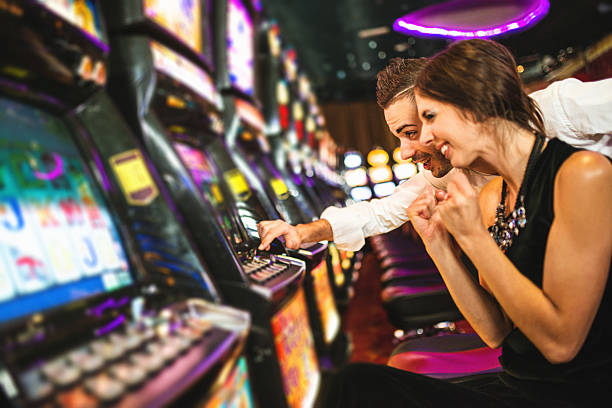
The global landscape of casinos showcases a variety of offerings tailored to meet the diverse preferences of players across cultures. From themed casinos inspired by movies and television shows in Las Vegas to cultural festivals held in casinos around the world, the experiences available are as varied as the patrons themselves. In Atlantic City, casinos may host beach-themed parties, merging the allure of oceanfront views with high-stakes gaming, appealing to tourists looking for a fun-filled escape.
In Asian markets, casinos often blend traditional entertainment with gaming. For instance, some casinos feature cultural performances, such as traditional dance or music, enhancing the visitor experience while respecting local heritage. These offerings not only attract players but also educate them about the culture, turning a typical gambling outing into a multifaceted experience that celebrates local traditions.
Additionally, food and beverage offerings play a crucial role in casino culture worldwide. Many establishments partner with renowned chefs to create exceptional dining experiences that complement gaming. In places like Macau, casinos often boast Michelin-starred restaurants, attracting food enthusiasts alongside avid gamblers. By providing exquisite culinary options, these casinos enhance the overall experience, appealing to a broader audience that values gastronomy as much as gaming.